Polyaspartic vs Epoxy in Billings, MT
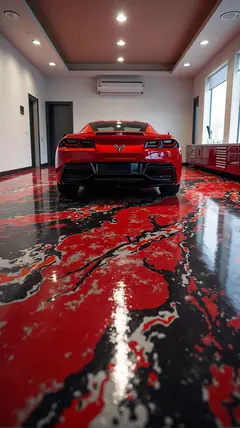
Quick answer: Epoxy builds a thick, durable body coat; polyaspartic is often used as a fast-curing, UV-stable topcoat (and sometimes as a full system). Many Billings garages use epoxy body coats with a polyaspartic topcoat for quicker return-to-park. Call 406-719-6087 to match chemistry to your slab.
What is the difference between epoxy and polyaspartic?
Epoxy resins are workhorse body coats — excellent build, adhesion, and chemical resistance when applied over a properly ground slab. Polyaspartic coatings typically cure faster, tolerate a wider temperature window for return-to-service, and offer strong UV stability for spaces that see sunlight.
Which is better for a Billings garage?
Often neither alone is the whole answer. Many professional garage systems combine an epoxy base with a polyaspartic topcoat: toughness plus faster drive-on times. Pure polyaspartic builds are also used when schedule or temperature windows favor them. We recommend after seeing your slab — not from a one-size slogan.
How do cure times compare?
Traditional epoxies can need longer before parking. Polyaspartic topcoats are frequently chosen when homeowners need the garage back sooner. Exact windows depend on product, film thickness, and ambient conditions in your Billings garage.
What about UV and color stability?
Some epoxies can amber in sunlight. Polyaspartic clears are popular over flake and metallic systems that receive daylight from windows or open doors.
Cold-climate considerations
Product temperature limits still apply. Pair this comparison with our cold-climate guide and epoxy vs paint article. Cost context: Billings cost guide.
Epoxy vs polyaspartic at a glance
- Epoxy: thick build, strong adhesion over ground concrete, good chemical resistance, longer cure, can amber in sunlight
- Polyaspartic: faster cure, wider temperature window for many products, UV-stable (won’t amber), commonly used as the clear topcoat
- Combined system: epoxy or moisture-tolerant base for build and bond, polyaspartic topcoat for faster return to service and UV stability
Why fast cure matters in a Billings winter
Cold slabs slow everything down. A standard epoxy that cures overnight in July may need much longer in a cool garage in January. Polyaspartic topcoats rated for lower temperatures help shorten that window, which is why they’re popular for winter installs in heated garages and for shops that can’t be out of service for long. The slab still has to meet each product’s temperature and dew-point limits; we measure before we start.
Does polyaspartic hold up to de-icer and hot tires?
A properly applied polyaspartic topcoat is hard and chemical-resistant, so de-icer brine, oil, and antifreeze sit on the surface until you clean them up. Hot-tire pickup is mainly a problem with thin, poorly bonded films; a ground slab with a full base coat and a quality topcoat is built for parked vehicles.
Which do you recommend for patios and exposed concrete?
For surfaces that get direct sun, a UV-stable topcoat such as polyaspartic is the safer choice, since some epoxies yellow in sunlight. See patio & deck coatings.
Where fast-cure topcoats help most
Shops and outbuildings in Shepherd and Huntley, winter installs in heated garages in the Heights, and busy households in Laurel, Lockwood, and Park City who need the garage back quickly.
Polyaspartic vs epoxy FAQ
Is polyaspartic better than epoxy for garage floors?
Polyaspartic often cures faster and offers strong UV stability; epoxy is an excellent thick body coat. Many Billings garages use both — epoxy base with a polyaspartic topcoat — depending on schedule and slab conditions.
Can I drive on polyaspartic sooner than epoxy?
Often yes — polyaspartic topcoats are frequently chosen for quicker return-to-service, but exact drive-on times depend on product, thickness, and temperature. We confirm timing on your estimate.
Is a one-day polyaspartic floor a good idea?
It can be, when the slab is properly ground, dry, and repaired. Fast-cure systems leave less working time, so prep and experienced application matter even more. We recommend them when schedule is the priority and the slab conditions fit.
Does polyaspartic smell during installation?
Many polyaspartic products have a noticeable odor while they’re being applied and curing. We plan ventilation, keep the garage door to the house closed, and tell you when the space can be used.
Can polyaspartic be applied in cold weather?
Some products are rated for lower temperatures than standard epoxy, which helps with winter installs in heated garages. The slab still has to meet the product’s temperature and dew-point limits.
About Billings Epoxy — who we serve
Service-area flooring contractor for the Billings metro and nearby towns. Call 406-719-6087. Last updated October 2026.
Call 406-719-6087